

At some point, most women I know over 50 stop worrying about whether they belong somewhere and start thinking about what they actually want to build. That shift sounds simple. It isn’t.
Business at this stage rarely starts with blind ambition. It starts with perspective. After careers, caregiving, hard pivots, and seasons that quietly taught us how to read people and recover from setbacks, we arrive carrying things that don’t always look impressive on paper. But they have weight, and in business, weight matters more than most people admit.
The hard part is that so many of us walk into this chapter still dragging old pressure behind us. The need to prove we’re capable. That we’re still relevant. That we’re not too old, too late, too far behind. That pressure doesn’t disappear just because we’ve earned the right to put it down.
What I’ve noticed is that the power in this stage comes slowly and quietly. It’s the gradual realization that you no longer need to perform for anyone’s approval. You’ve stopped auditioning for a room that was never that important to begin with.
I remember when I first left corporate. Stepping into business ownership was genuinely disorienting. The two worlds spoke completely different languages and I was suddenly figuring out marketing, community building, collaborations, and all the invisible rhythms that come with running something truly yours. There were days I felt completely lost.
Somewhere along the way I reframed it. Starting a business is a lot like starting a new job. Of course there’s a learning curve. Of course it takes time to understand the culture and find your footing. That’s not failure, it’s just being new at something. The moment I stopped treating my own uncertainty as evidence of inadequacy, things started to shift.
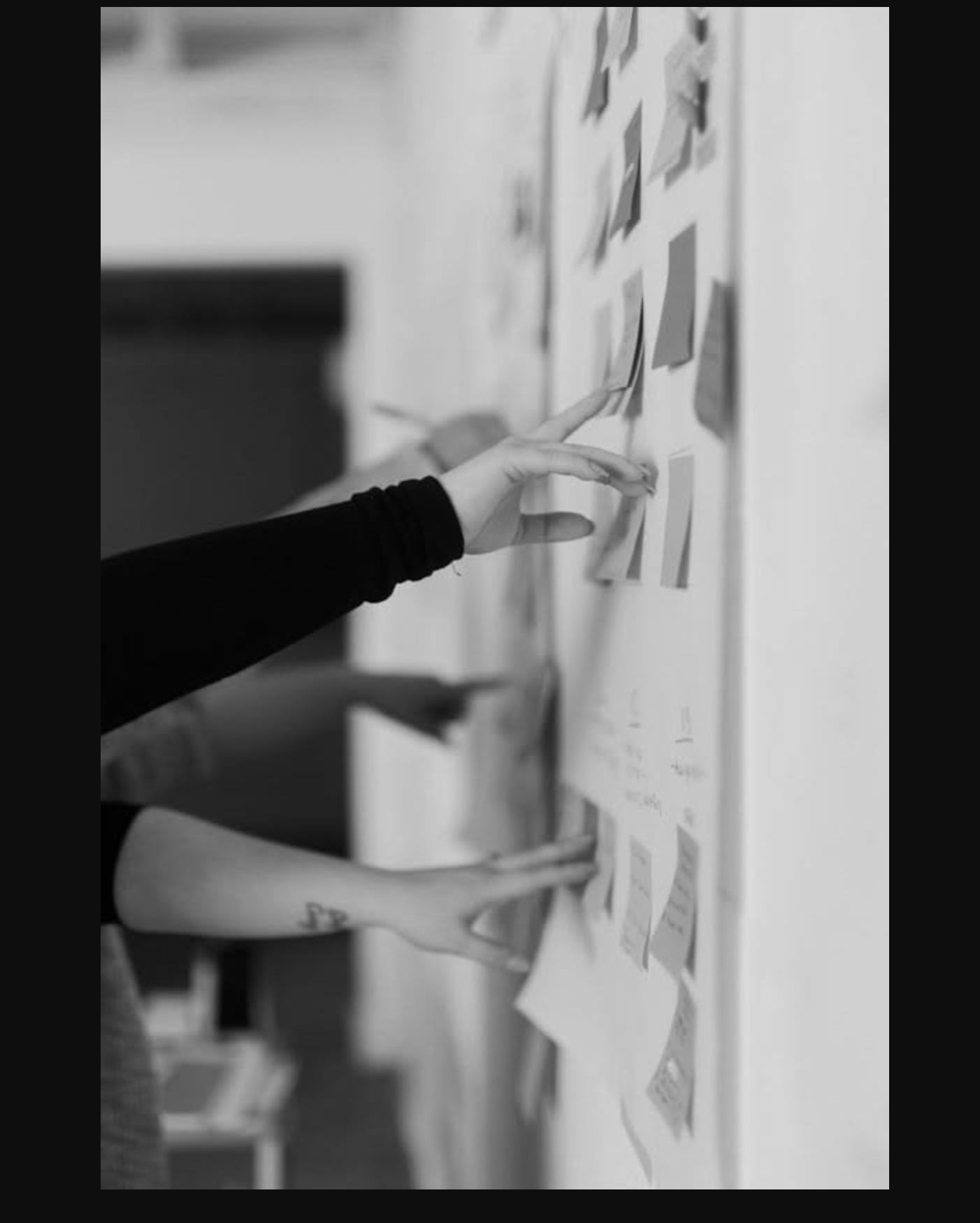
Because once the imposter syndrome loosened its grip, I could finally see what I’d actually brought with me. Decades of pattern recognition, structure, discipline, values tested under real pressure. Even the parts of my old career I thought I’d left behind were still quietly working in the background.
Early on, the transition feels like a portrait that hasn’t come together yet. All the pieces are there but nothing has blended. The edges feel jagged and disconnected. It takes longer than you expect before the full picture starts making sense, but it does eventually.
And when it does, you realize you’re not choosing between who you were and who you’re becoming. You’re learning to let both versions work together. Your past stops feeling like dead weight and starts feeling like something you can use with intention. Decisions get sharper. You lead with more conviction and less noise. Success starts looking like something you defined yourself rather than something you’re chasing to prove a point.
Starting later often means finally understanding the full value of everything you already carry.
This chapter is about building from what’s real. Not shaping yourself around what the room expects, but bringing what you actually know and trusting that it’s enough. That shift might be invisible to anyone watching from the outside, but internally it changes everything.